
Digging Deeper: winter management of our trees and hedges

In the series 'Digging Deeper' you can follow the developments and results of Inagro's own agroforestry plot from the front row. In this edition, we share more about the winter management carried out on our trees and hedges and list the materials that supported us in the process.
Winter is often a quieter period for farmers, but trees and hedges in agroforestry require year-round management and attention - also during the winter months. This is important, as they directly or indirectly form part of the revenue model.
Over the past months, we carried out several typical winter tasks on our agroforestry plot.
1. Replanting where needed
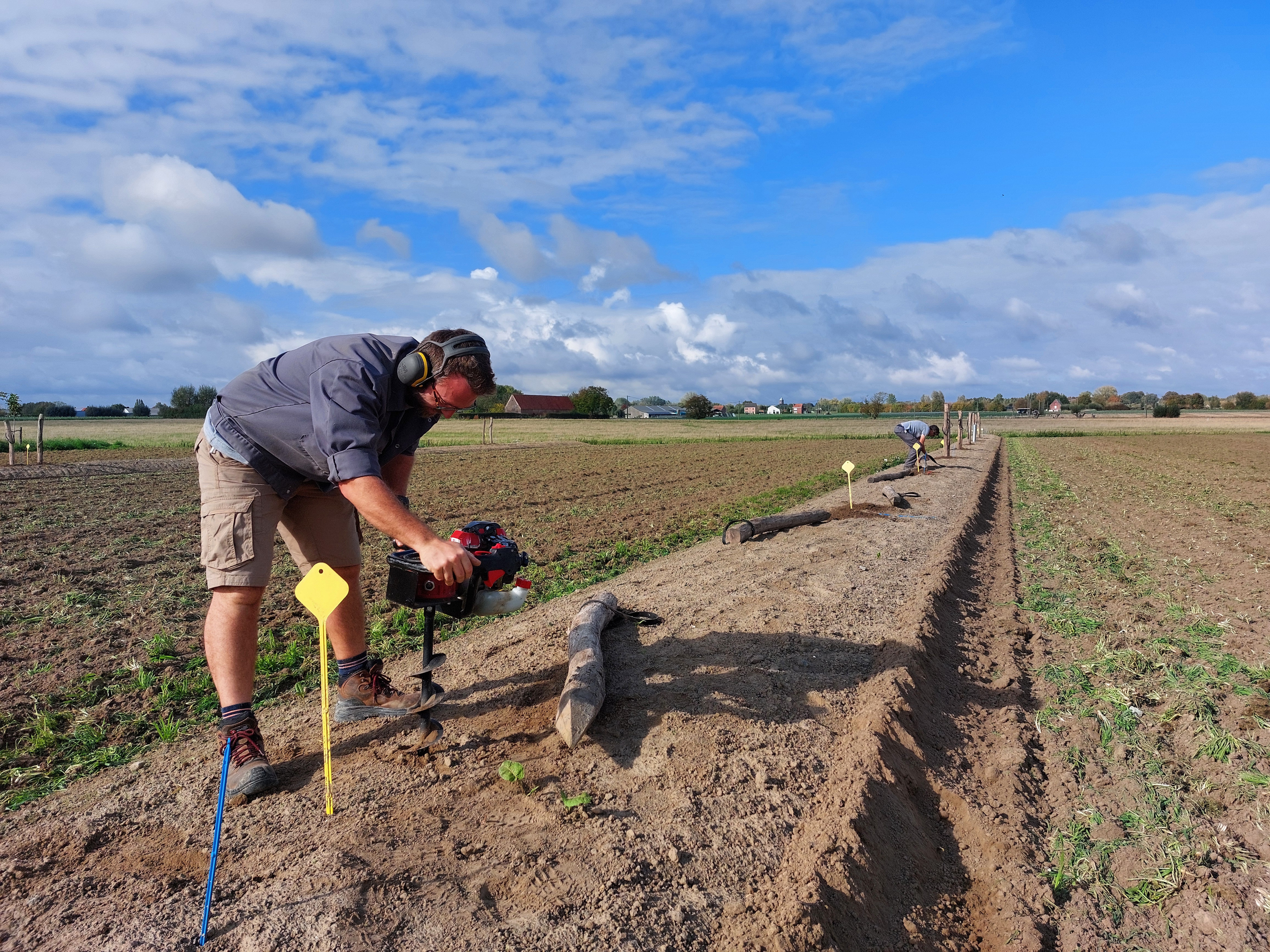
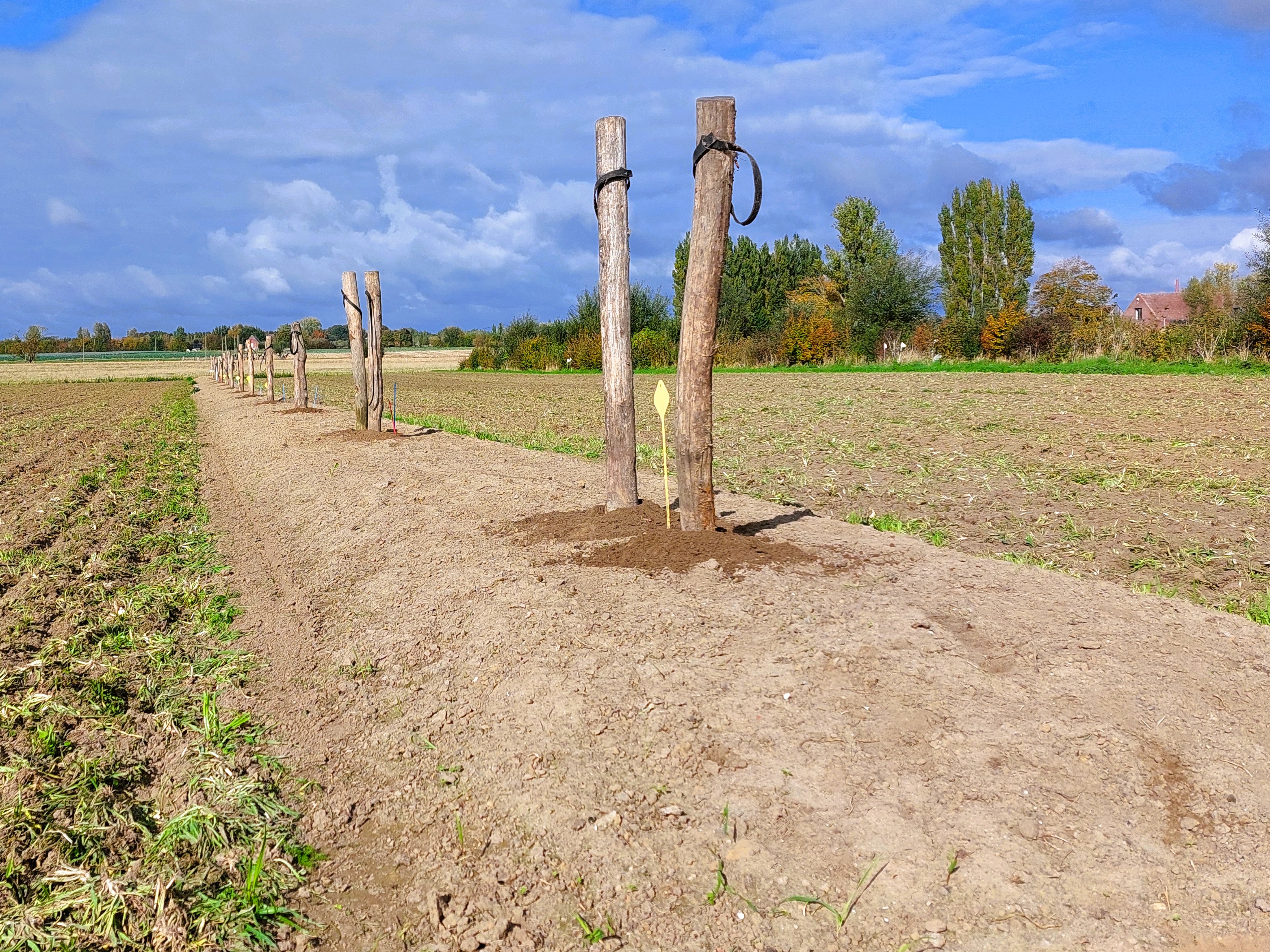
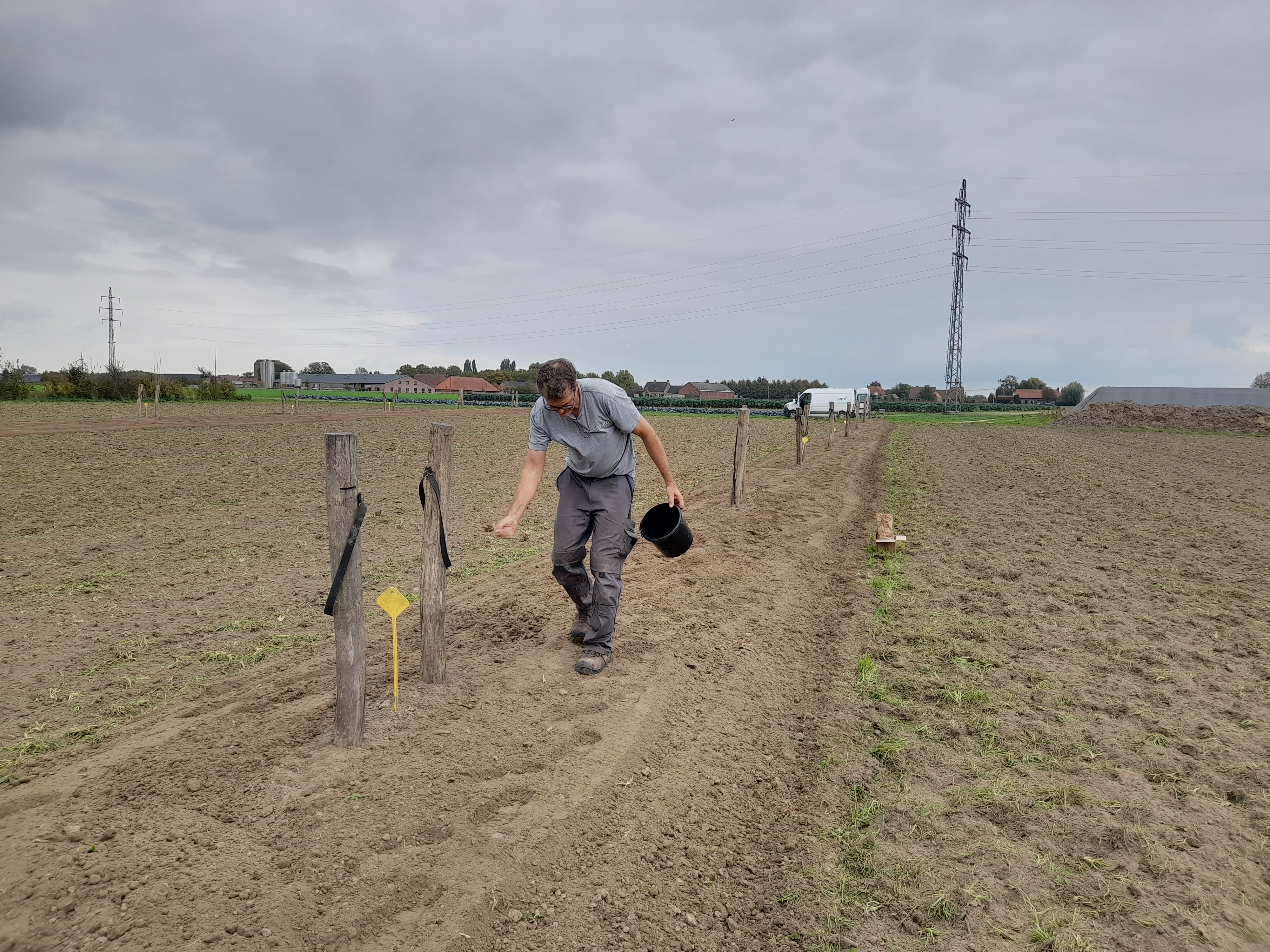
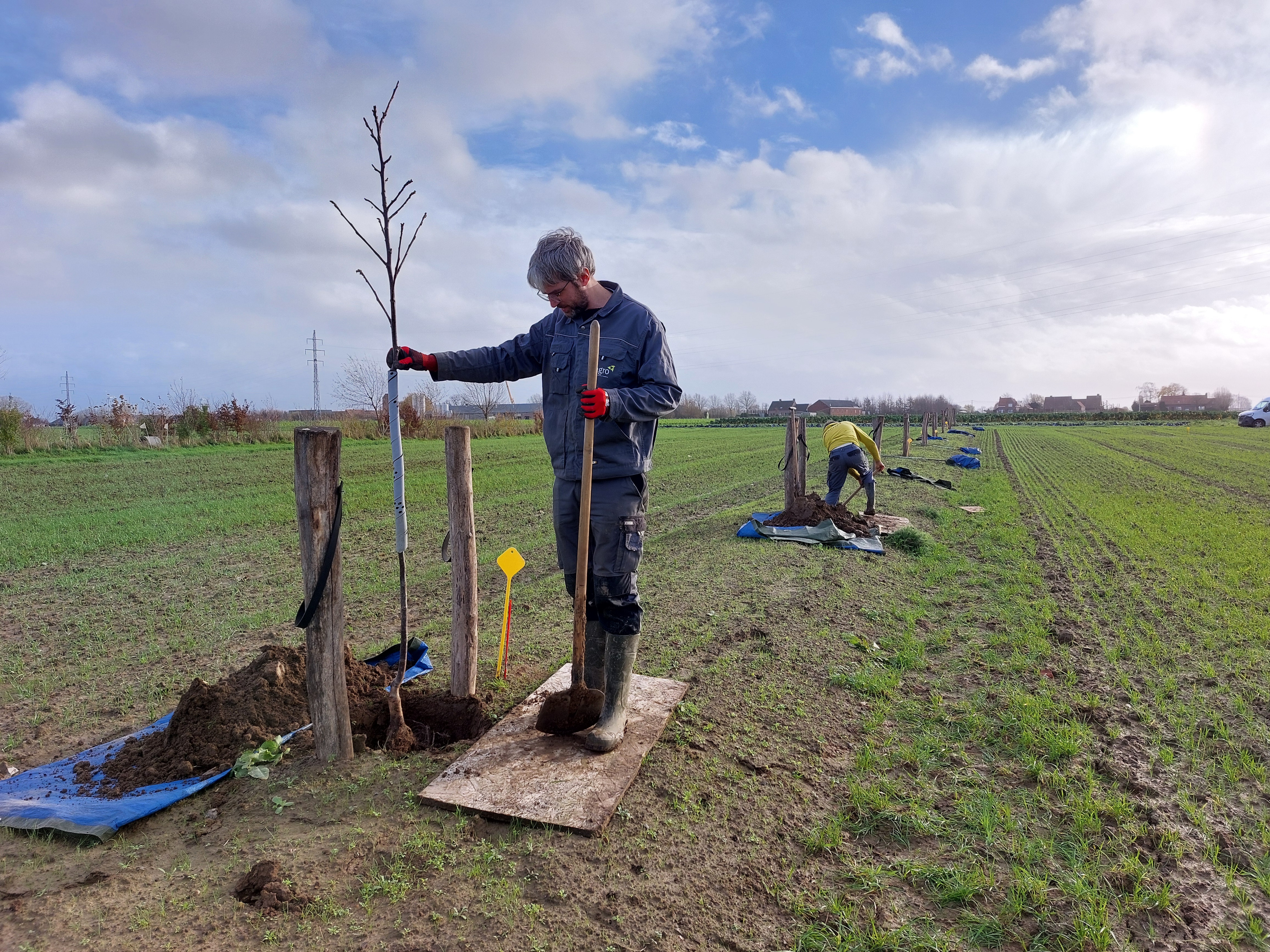
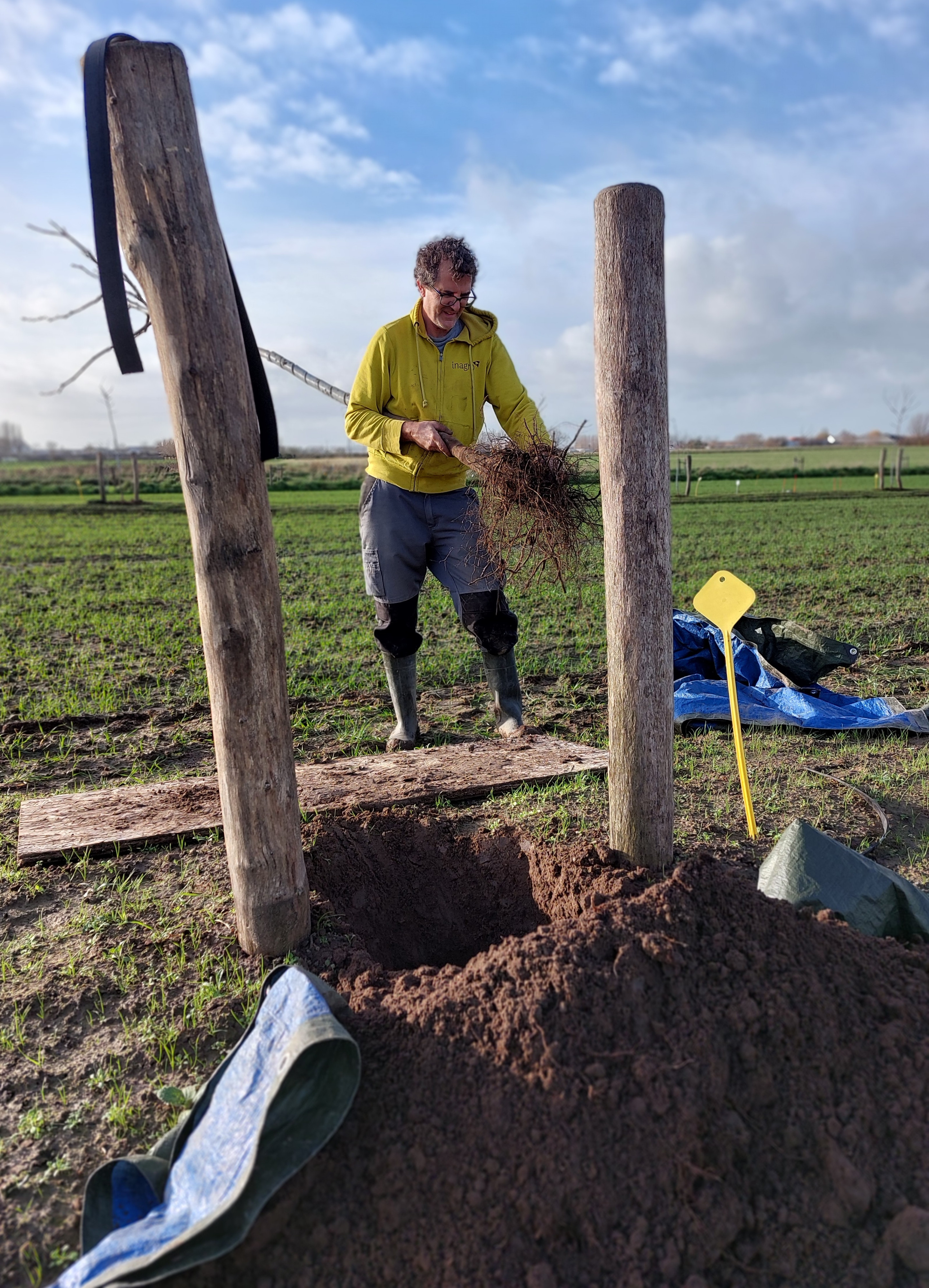
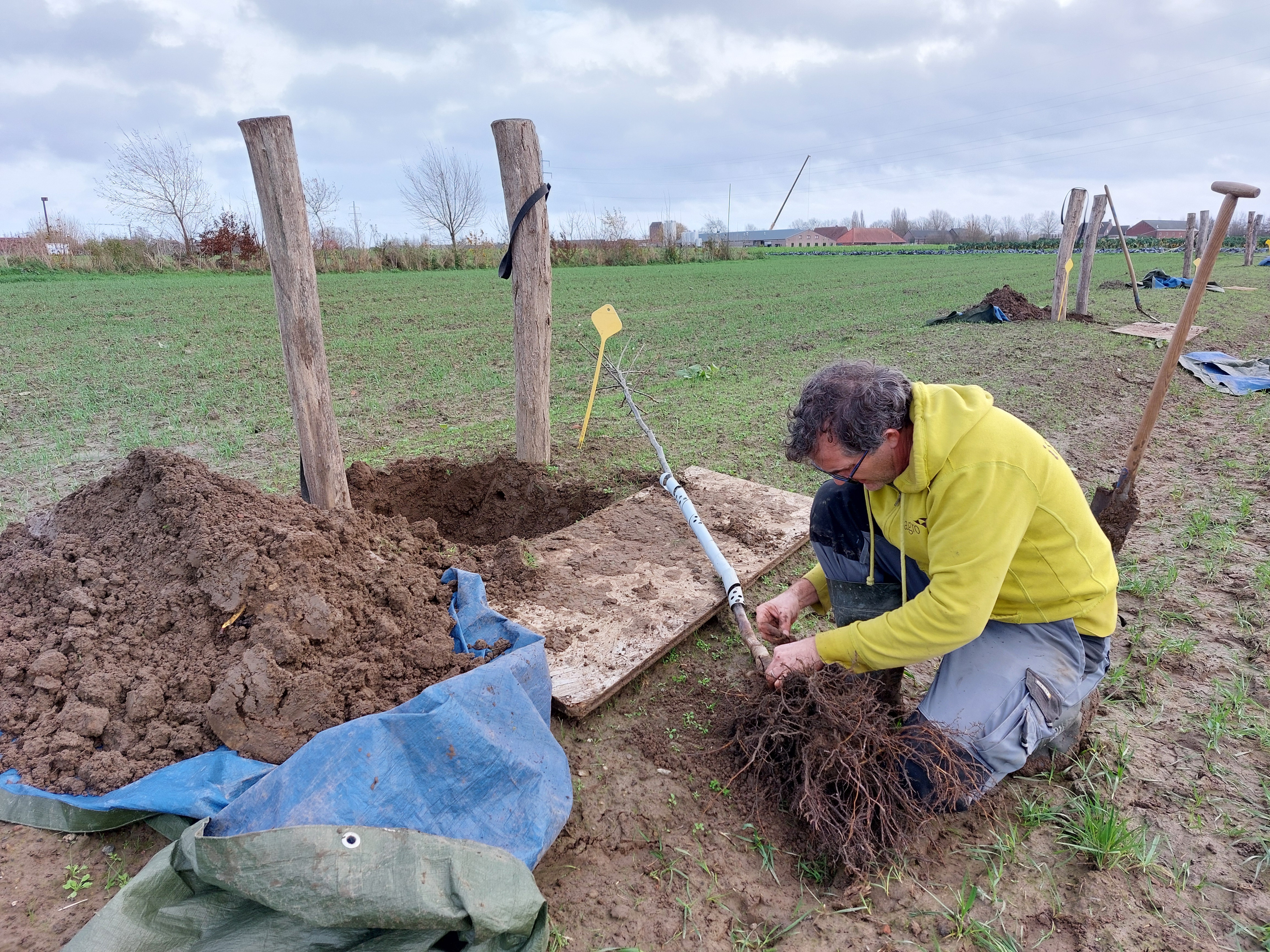
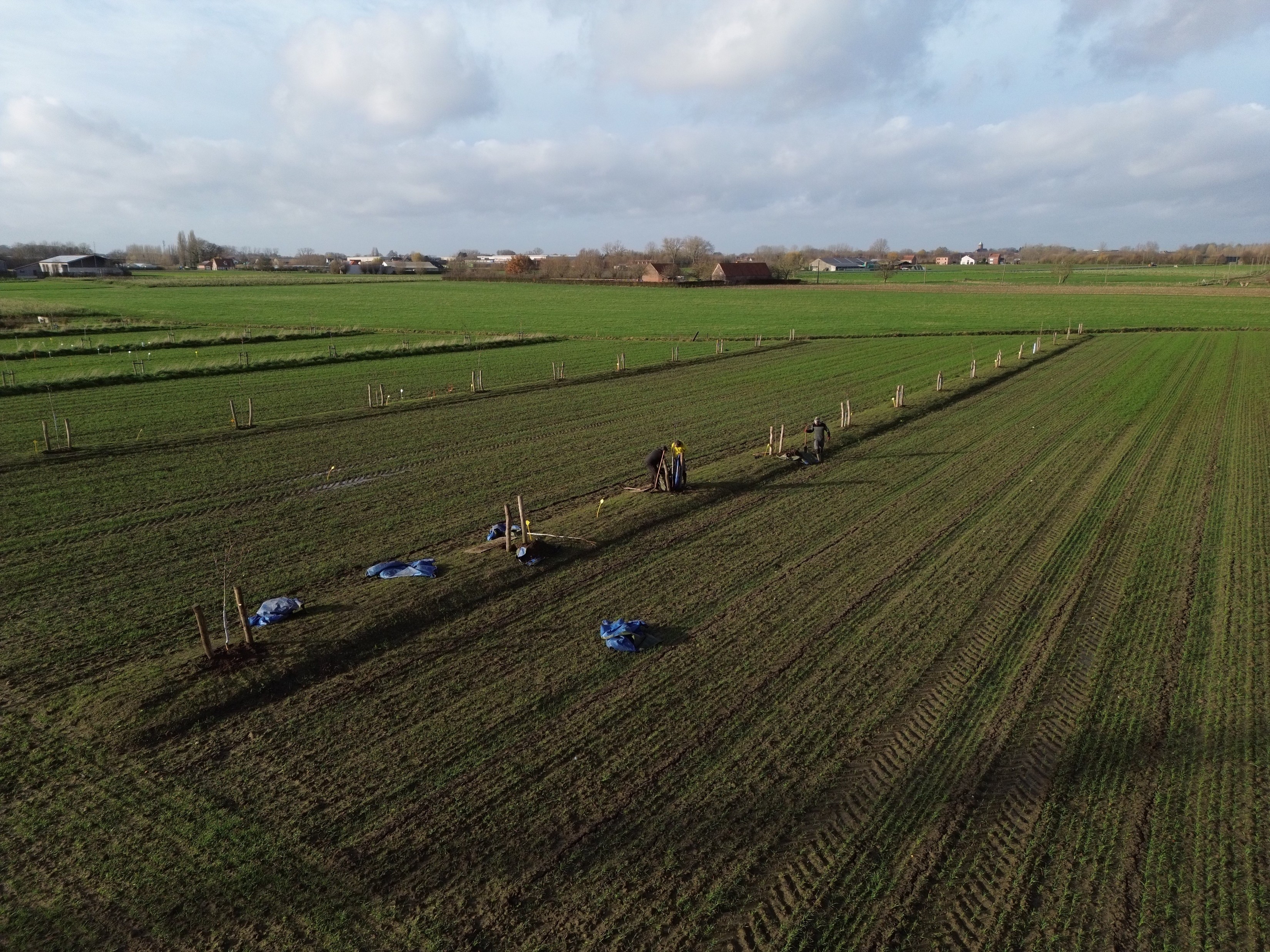
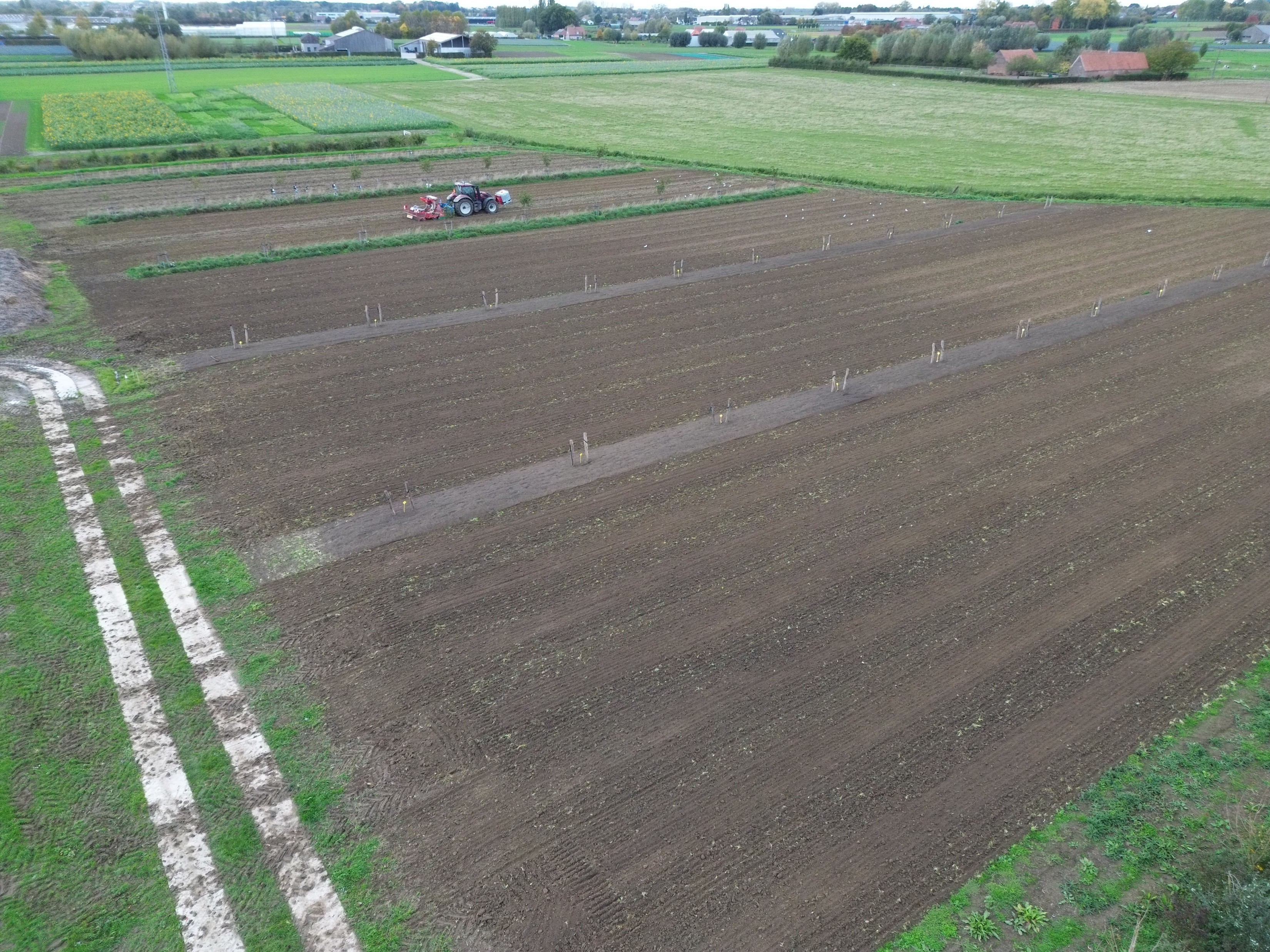
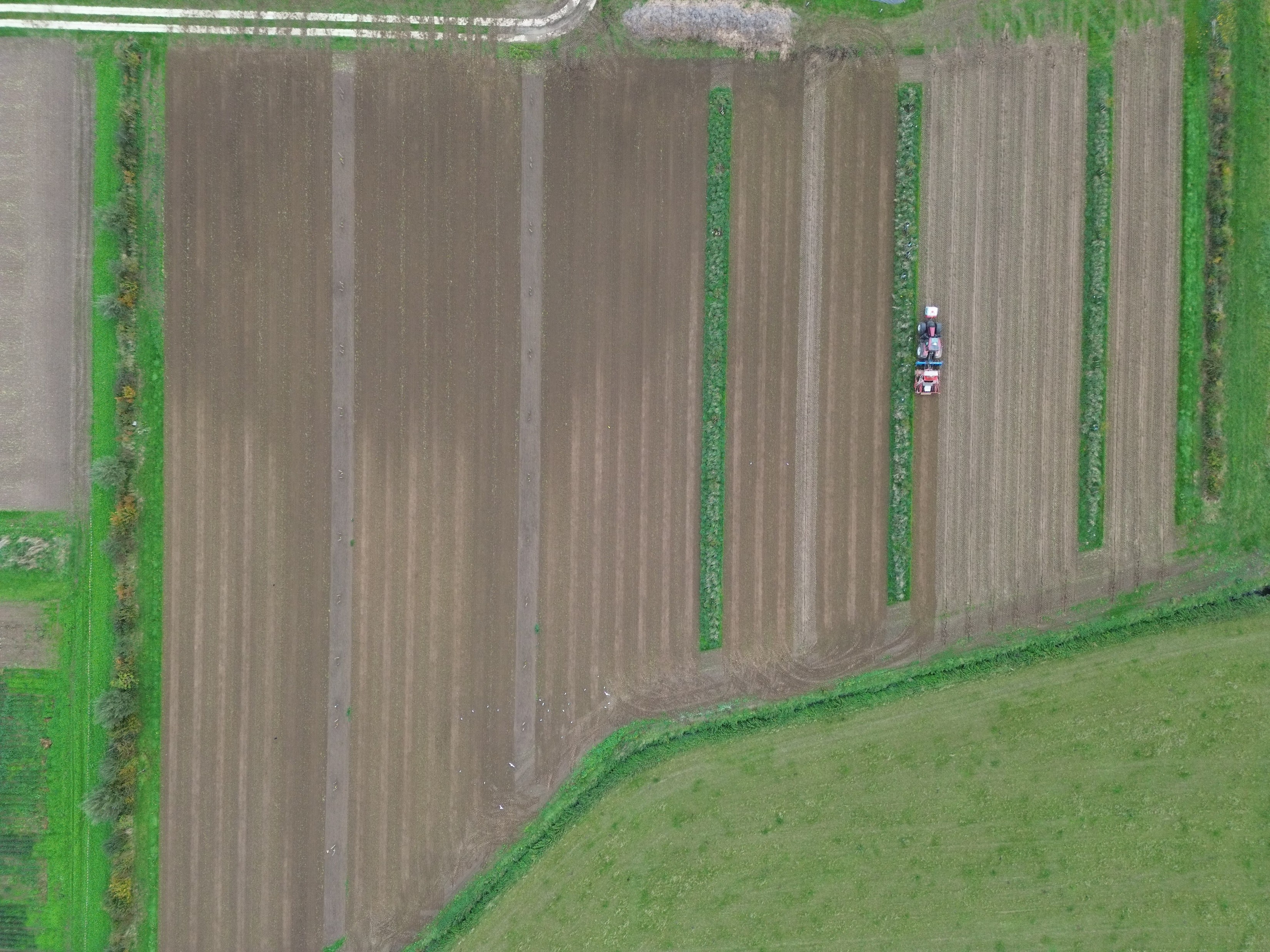
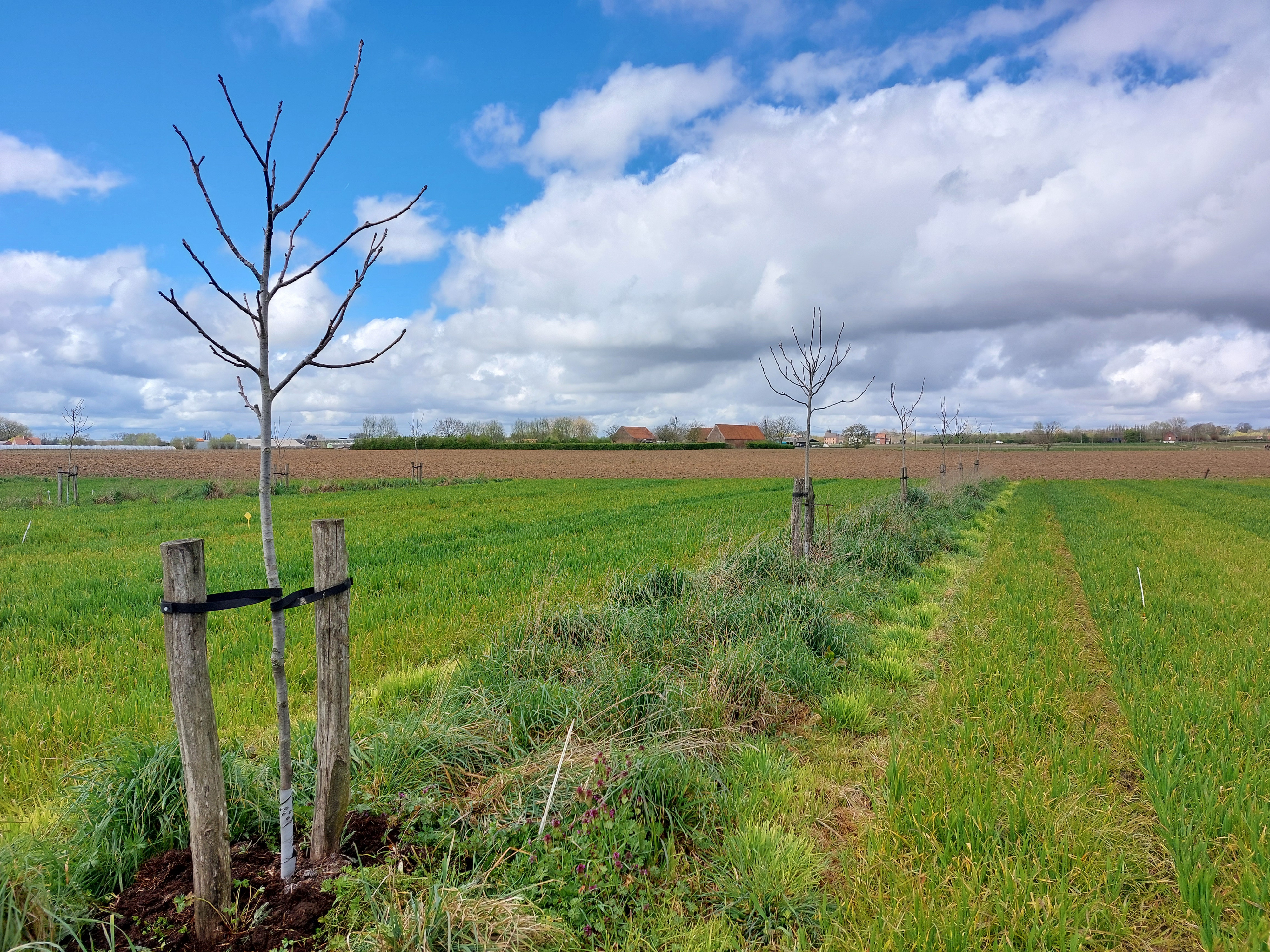
Winter is the best time to replace trees or hedges where necessary. Due to previous water management issues on our plot, we also had to replant two rows of walnut trees. This time, they were planted on slightly raised taluds. These prevent the trees from standing with their roots in water during the wettest periods. The taluds also serve as excellent winter habitats for beneficial insects such as ground beetles, which is why we refer to them as beetle banks. We constructed the beetle banks in spring 2025, sowed them with a suitable grass–herb mixture in early October, and planted the new walnut trees with care in December.
A recently published knowledge sheet compiles all our experiences and insights on beetle banks and agroforestry.


2. Mulching with mushroom compost
Applying a layer of organic material - mulching - around the tree bases helps to:
- reduce weed pressure
- slow down drying of the root zone
- stimulate soil life
By mulching with champost (mushroom compost), we also provide young trees with additional nutrients. Every two years, we apply a layer of about 20 cm thick (≈ 120 liters per tree). This winter, our newly planted trees received the full amount, and the remaining compost was distributed among the other trees. To avoid rot or fungal damage, it is important not to place the mulch directly against the trunk.
By carrying out this work in late winter (February - March), the trees can make optimal use of the nutrients in spring, and the soil remains moist longer during this crucial growth period.

3. Inspecting support stakes and tree protection
In an agroforestry context, trees are exposed to considerable wind, and hares quickly find their way to young bark. Protecting young trees from wind and feeding damage is therefore essential. Strong stakes and a figure‑eight tree tie prevent wind damage, while PVC spirals protect the trunks from hare damage.
To ensure a good start to the growing season, we inspect all protection materials annually in late winter, just before bud break.
- Tree ties are tightened and spirals checked;
- Damaged materials are replaced;
- We verify that trunks have not been damaged by stakes or ties.

4. Pruning mixed hedges
Pruning trees and hedges is not merely an aesthetic intervention - it is a core task that determines:
- their structure, health, and productivity;
- their impact on intercrops or their added value for animals;
- the practical workability and safety of the plot;
- their biodiversity value.
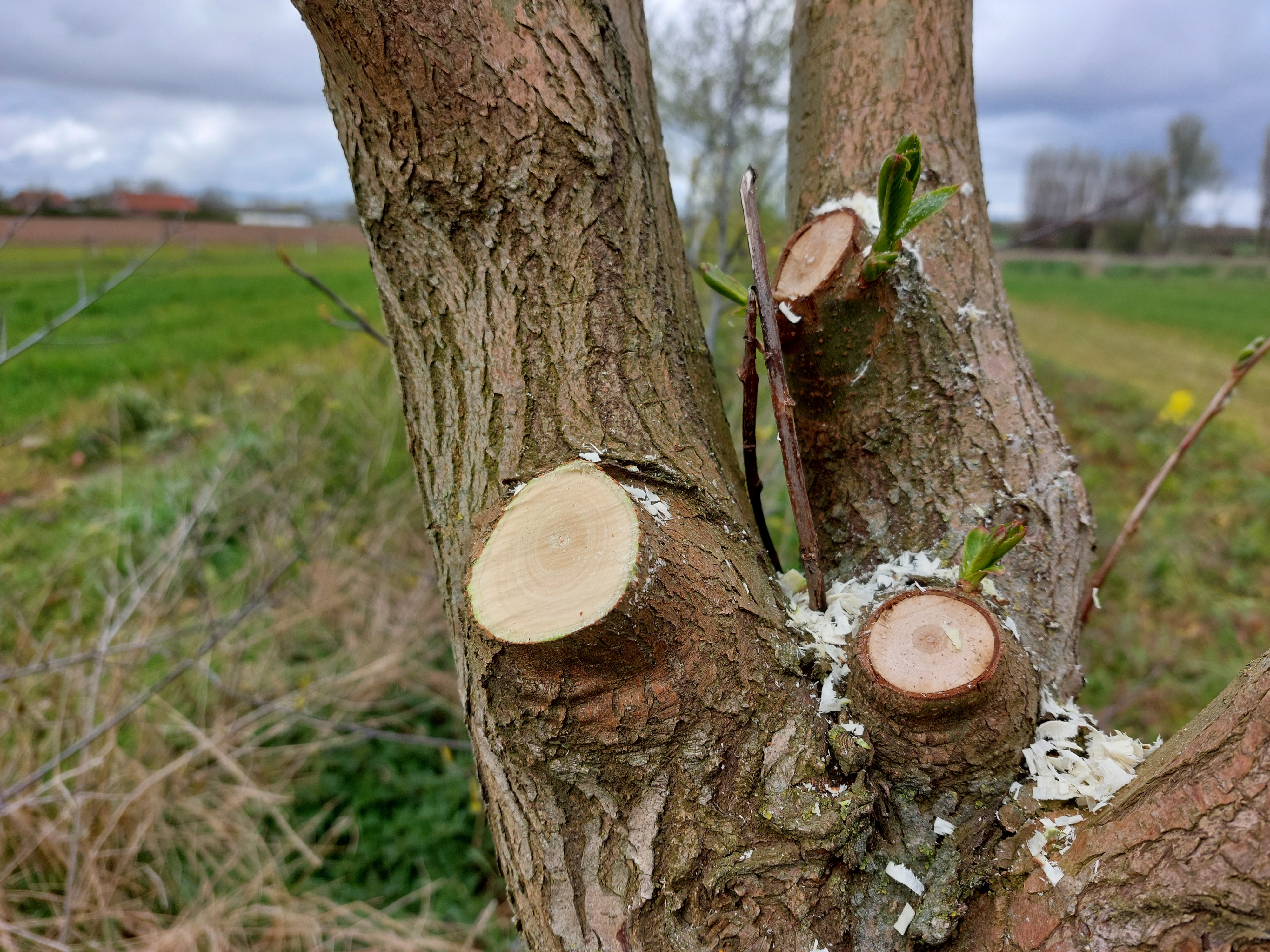
The mixed hedges bordering our plot were pruned in early March. We limited ourselves to selectively removing branches growing toward the crop (especially in rose species such as dog rose and field rose), removing larger branches growing out of the hedge line, and cutting back random sections of the hedge to approximately 1.2 meters.

By avoiding uniform, intensive trimming or cutting everything back to the same height, we maintain the hedge’s attractiveness for biodiversity. Variation in structure and flowering throughout the season is key. Pruning is also done outside the bird‑nesting season (15 March–15 July).
And what about our walnut trees? For most tree species, summer pruning is recommended because wounds heal faster. In practice, many trees are still pruned in winter, which is usually not a major issue. However, for certain species, including walnut, summer pruning is essential. We therefore prune our walnut trees in summer.

…And what about the pruned wood?
You can shred pruned branches and incorporate the wood chips into the field as a way to build soil carbon. However, we fully embrace biodiversity here.
We collect the pruned wood in a dead‑wood hedge (takkenril) along the plot. Many insects, birds, and mammals find shelter, nesting opportunities, and food there. If you do not have space for a dead‑wood hedge, you can create small branch piles along or within the hedge.

Good tools make all the difference
If you are starting with agroforestry, keep in mind that you may need to invest in equipment to manage trees and hedges. Good tools improve efficiency, reduce physical strain, increase safety, and lead to higher‑quality results.
Below is an overview of the materials we recently purchased for managing our plot, along with the price per tool type. In total, this amounted to €4650 including VAT.
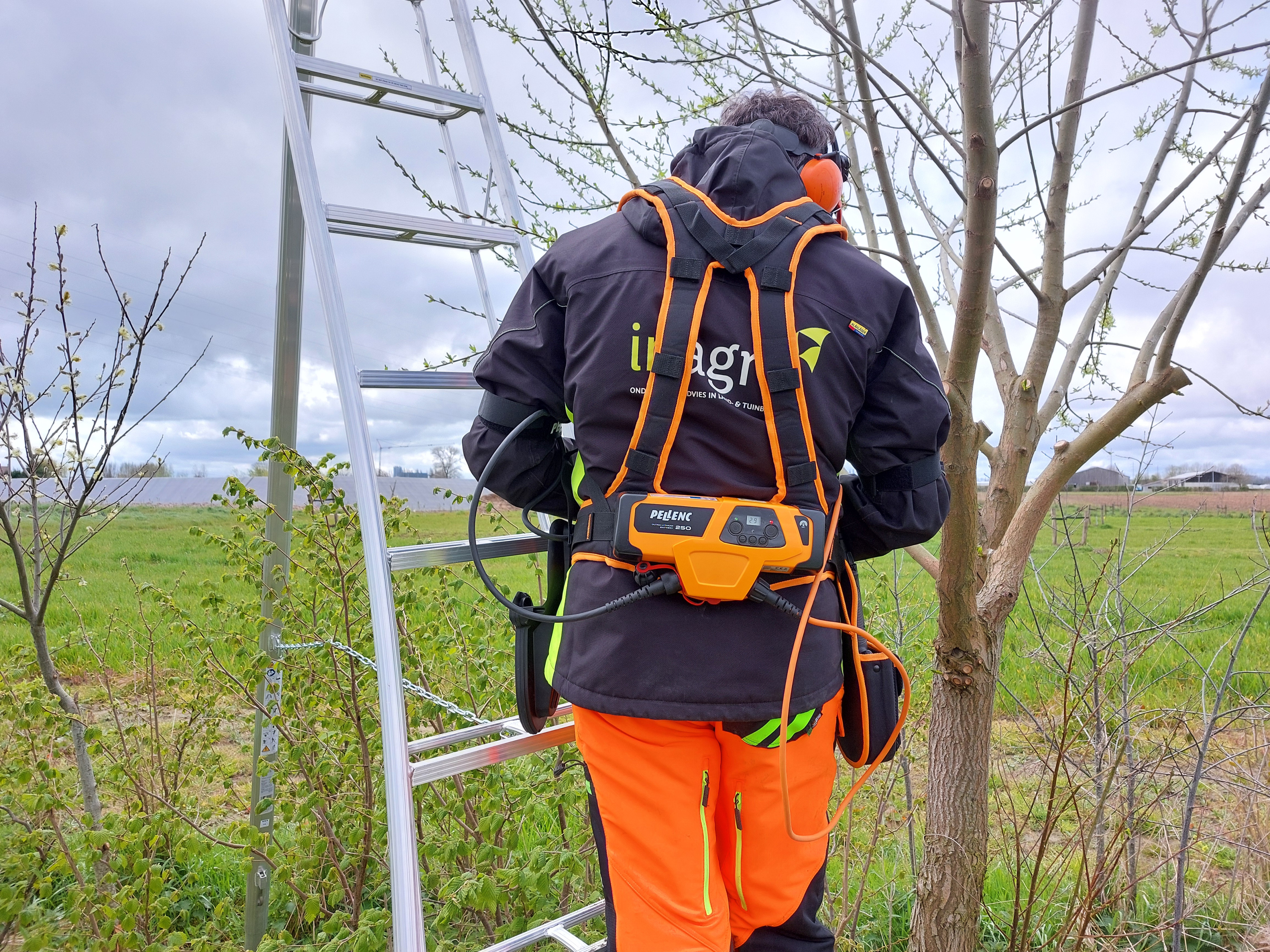
Electric pruning shears
These shears offer comfort and efficiency compared to manual pruning shears. On larger plots, manual pruning quickly becomes heavy and time‑consuming. Electric shears cut thicker branches (up to 4.5 cm for the model we purchased) smoothly and consistently, increasing work speed and ensuring clean cuts. For limited or occasional use, manual shears remain more practical and affordable.
Tip: Safety gloves specifically designed for electric pruning shears are available.
We purchased: Pellenc C45 electric pruning shears - approx. €1.500

Electric hand chainsaw
For selectively removing thicker branches in our mixed hedge and rejuvenating older trees and hedges, we use a lightweight, maneuverable electric chainsaw.
We purchased: Pellenc Selion 12 EVO electric hand chainsaw - approx. €1000

Manual pruning saw
A pruning saw (with curved blade) is useful for tackling thicker branches. Unlike an electric saw, it is easy to carry for quick interventions.
For older trees, a telescopic pruning saw is helpful for reaching higher or difficult branches without immediately needing a ladder.
We purchased: Silky Zübat 300 pruning saw - approx. €100

Pruning ladder
As an alternative or complement to a telescopic saw, a good pruning ladder is recommended. Choose a model with a wide base for stability. A tripod model offers more stability on uneven ground and allows free‑standing work in the tree canopy, preventing branch damage.
A telescopic ladder can be convenient for transport.
We purchased: Lightweight adjustable tripod ladder, 3.3 m - approx. €650

Electric hoe
Keeping the wider tree bases free of weeds or vegetation promotes the growth of young trees. Because our tree strips serve as habitat for beneficial insects, we do not use herbicides or pesticides. Mechanical weed control with larger machines is difficult around trees and risks damaging trunks. Manual weeding is very labor‑intensive. An electric hoe offers a good middle ground and will mainly be used to control problem weeds such as thistles and dock. We will gain more practical experience with it in the coming growing season.
We purchased: Cultivion standard with 22 cm blade - approx. €1100

Protective clothing
Safety first. When working with pruning shears and saws, always use appropriate protective clothing such as safety trousers, shoes, gloves, hearing protection, and a helmet with visor.
Expect to spend an additional €300–€400 for this protective equipment.

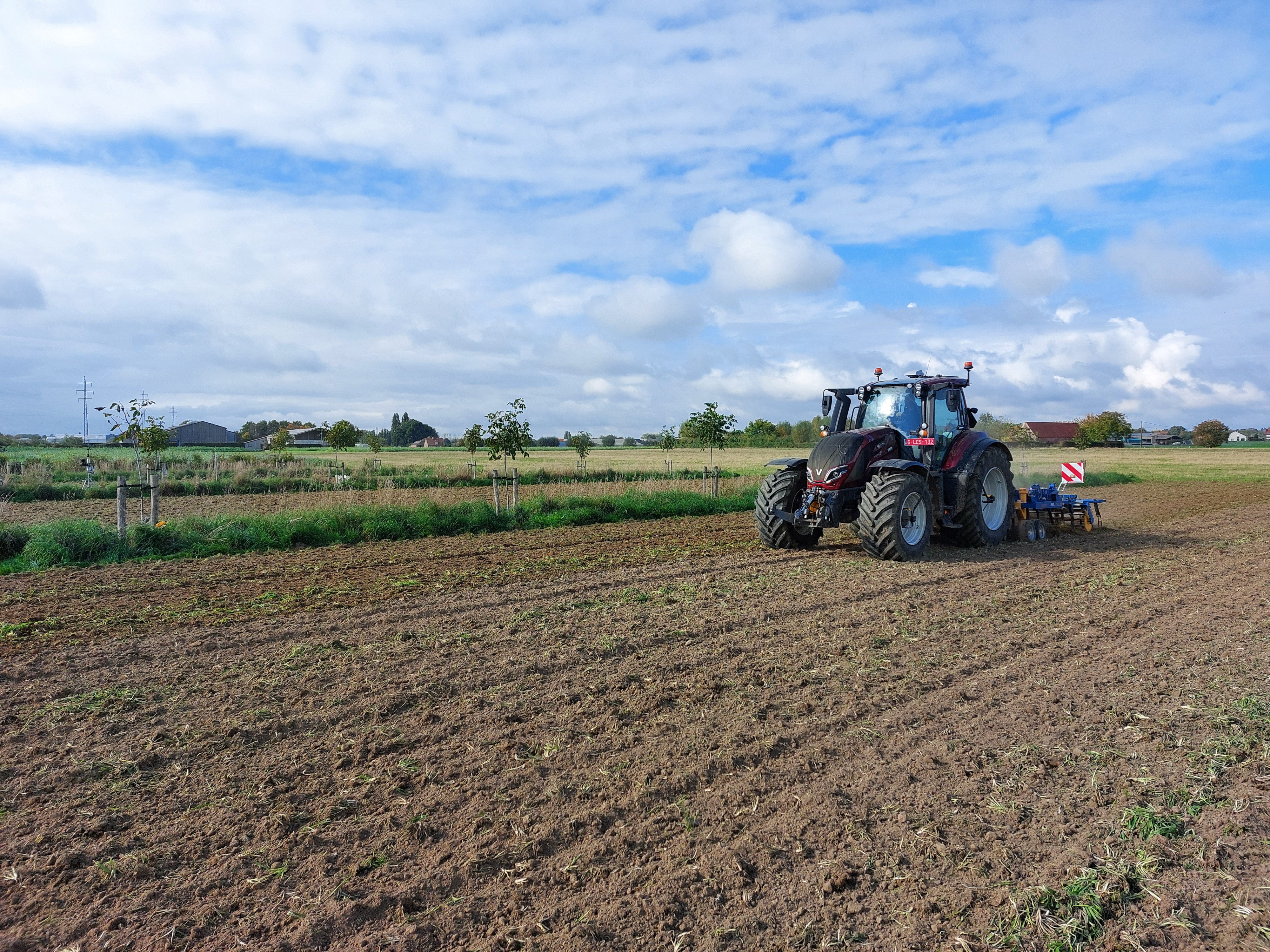
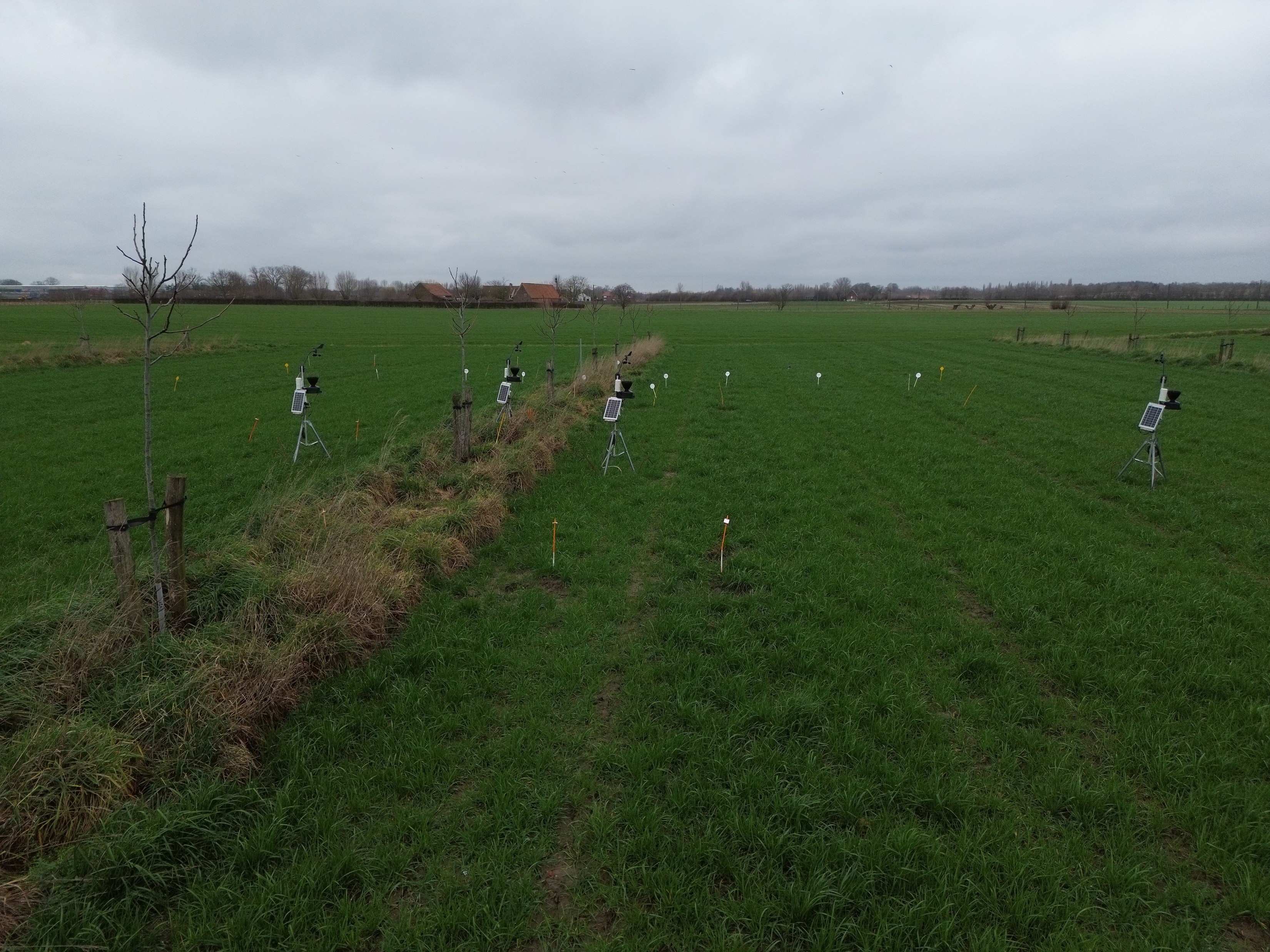
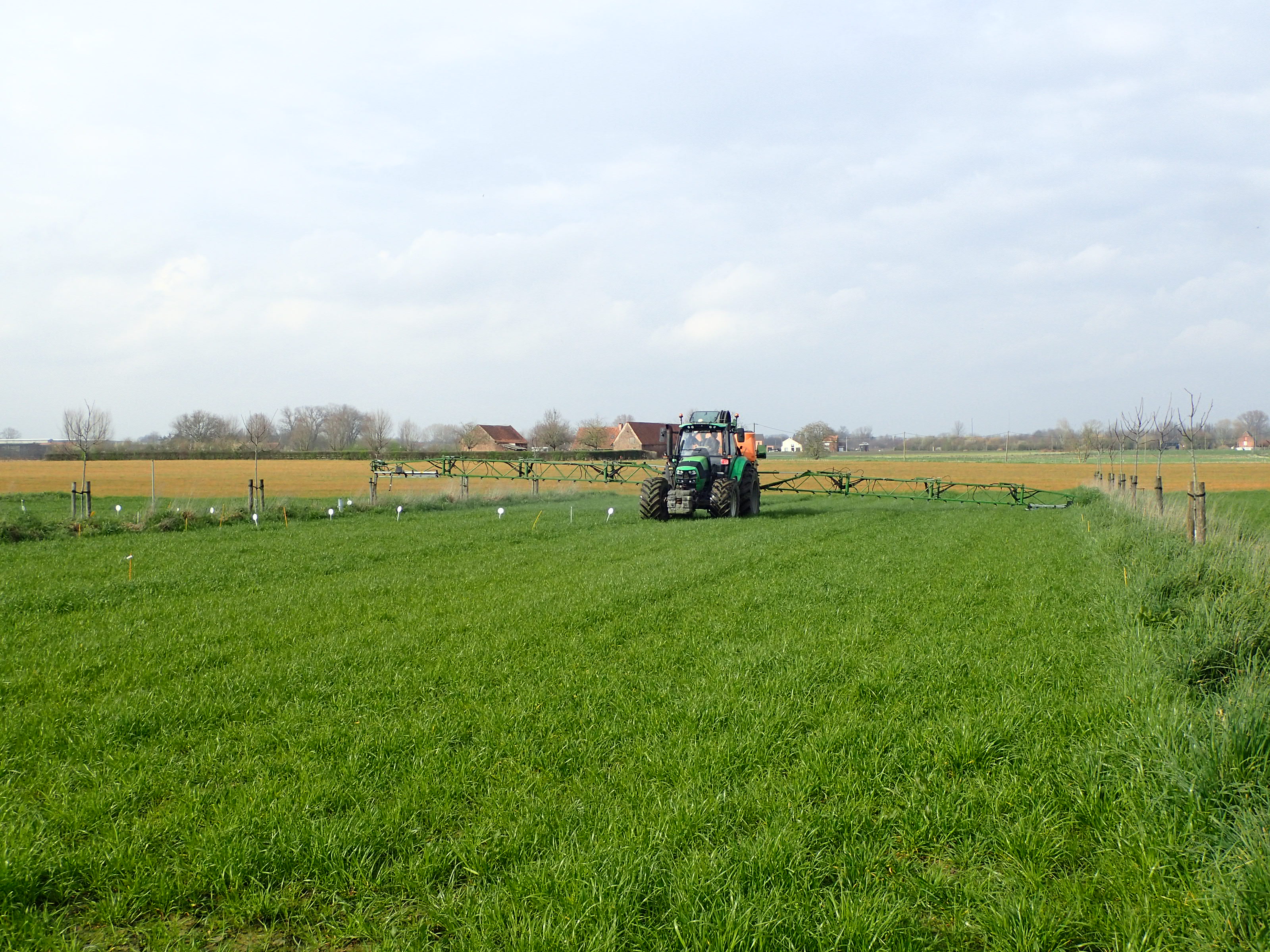
IN THE PICTURE: the plot and activities since the previous edition of 'digging deeper'